
Self-driving cars are no longer a concept limited to science fiction. Advancements in artificial intelligence, sensors, and connectivity have brought autonomous vehicles closer to reality. These cars promise to transform transportation, safety, and daily commuting. However, widespread adoption will take time, as technology, regulations, and public trust evolve. Understanding what to expect can help drivers, businesses, and policymakers prepare for this shift.
How Self-Driving Technology Works
Autonomous vehicles utilize a variety of cameras, radar, LIDAR, and AI algorithms to perceive and interpret their environment. These systems detect lanes, obstacles, pedestrians, and other vehicles to make real-time decisions. Software constantly analyzes data, predicting traffic patterns and potential hazards. This unique integration of hardware and software allows cars to navigate roads with minimal or no human input.
Levels of Autonomy
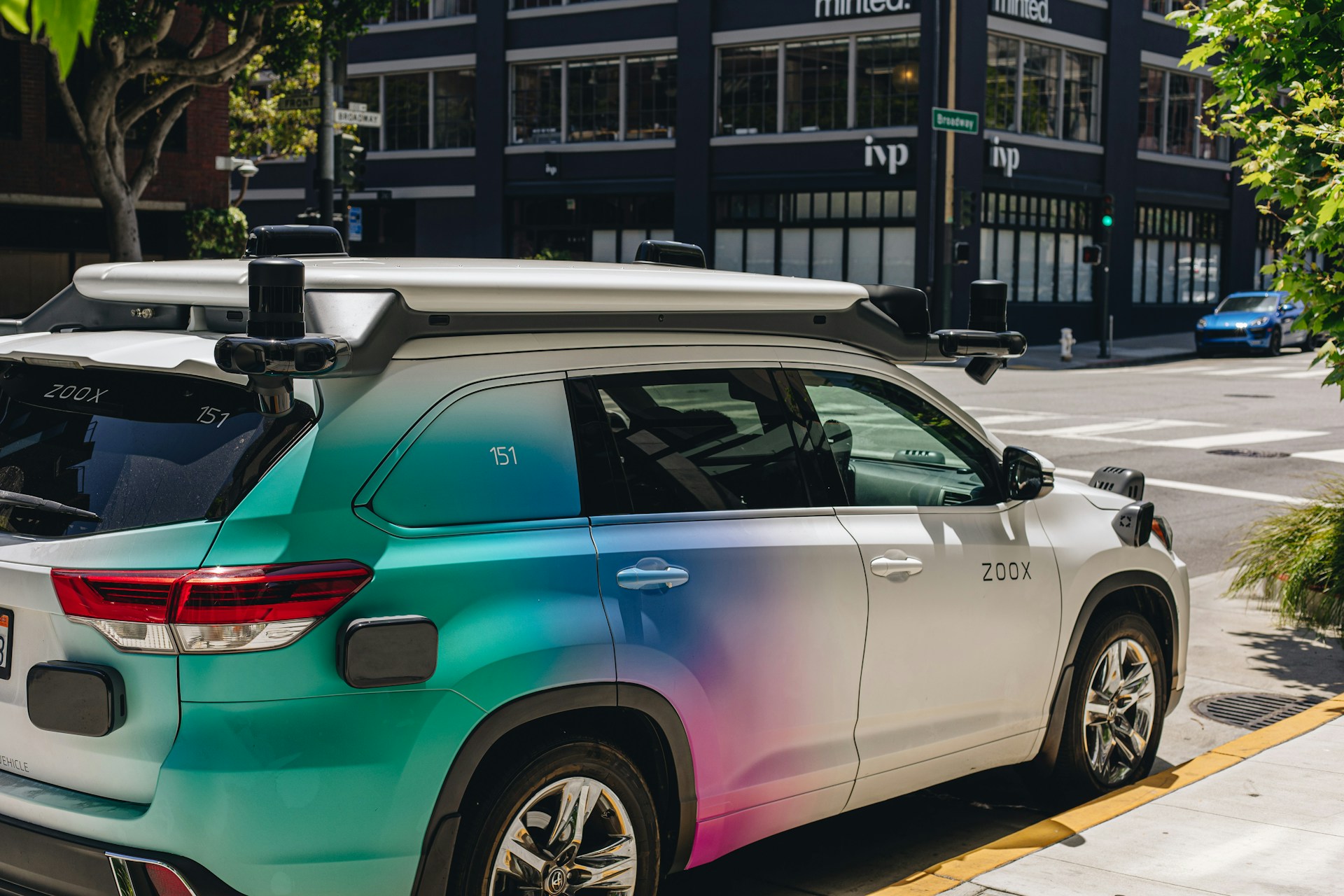
Self-driving technology is classified into levels, from 0 to 5. Level 0 requires full human control, while Level 5 represents complete automation in all conditions. Most vehicles on the road today fall between Levels 2 and 3, offering features like adaptive cruise control and lane-keeping assistance. Understanding these levels helps consumers set realistic expectations and ensures safe interaction with semi-autonomous vehicles.
Benefits for Safety
One of the most significant advantages of self-driving cars is improved safety. Human error causes the majority of accidents, including distracted driving, fatigue, and poor judgment. Autonomous systems follow traffic rules consistently and can react faster to sudden hazards. While no technology is flawless, the potential to reduce accidents and save lives is substantial.
Environmental and Efficiency Impacts
Self-driving cars may also improve traffic flow and fuel efficiency. Autonomous systems can optimize speed, braking, and route selection, reducing congestion and emissions. Shared self-driving vehicles could decrease the total number of cars on the road, further cutting environmental impact. These changes contribute to a more sustainable transportation system in the long term.
Challenges and Risks
Despite the promise, self-driving cars face challenges. Technology is complex and can fail in unexpected conditions, such as severe weather or poorly marked roads. Cybersecurity is another concern, as vehicles connected to networks are vulnerable to hacking. Ethical questions also arise, like how an autonomous vehicle should react in unavoidable accident scenarios. Addressing these risks is crucial for public adoption.
Regulatory and Legal Considerations

Government regulations will play a key role in shaping the future of autonomous vehicles. Laws must define liability in accidents, safety standards, and testing protocols. Different countries and states have varying approaches, which can affect deployment speed. Clear regulations ensure that manufacturers, drivers, and insurance providers have a framework to operate safely and fairly.
Public Perception and Adoption
Public trust is essential for self-driving cars to become mainstream. Surveys show mixed opinions, with some consumers eager to adopt the technology and others hesitant due to safety concerns. Education, transparency, and real-world demonstrations can help people feel comfortable with autonomous vehicles. Gradual integration, starting with limited areas or shared fleets, may ease the transition.
The Future of Transportation
Self-driving cars are likely to coexist with traditional vehicles for years. As technology improves, more complex urban environments will become navigable for autonomous systems. The combination of efficiency, safety, and convenience promises to reshape commuting, delivery services, and even city planning. Preparing for this future requires collaboration between technology developers, policymakers, and the public.
The rise of self-driving cars marks a transformative era in transportation. Advanced sensors, AI, and connectivity enable vehicles to navigate safely and efficiently, with potential benefits for safety, the environment, and mobility. Challenges such as cybersecurity, regulation, and public perception must be addressed to ensure successful adoption. By understanding the technology and its implications, society can embrace autonomous vehicles responsibly, paving the way for smarter and safer roads.…

 Leasing and financing are two popular options for acquiring a vehicle, but they serve different needs. When you lease a car, you’re essentially renting it for a set period. This means lower monthly payments and the chance to drive a new model every few years. However, at the end of the lease term, you return the vehicle without ownership. Alternatively, financing features taking out a loan to purchase the car outright. Monthly payments may be higher since you’re paying off both principal and interest. Once you’ve paid off your loan, you own the vehicle completely. Leasing often comes with mileage limits and potential fees for wear and tear. Financing offers more flexibility in how long you keep your car without restrictions on mileage or modifications. Understanding these differences can help guide your decision based on lifestyle needs and financial goals.
 When negotiating a lease or finance agreement, knowledge is your best asset. Research the car’s market value and current promotions before stepping into the dealership. It ensures you have leverage during discussions. Don’t hesitate to ask questions about fees, interest rates, and terms. Clarity can prevent unexpected costs down the line. Consider timing your visit at the end of the month when dealerships are eager to meet sales quotas. This can lead to more favorable offers. Read every detail in the contract carefully before signing it. Understanding what you’re agreeing to is crucial for avoiding future surprises in payments or obligations.
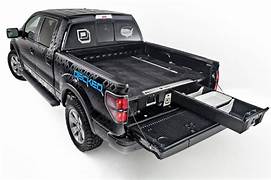


 Another advantage of van hire is the accessibility it provides, particularly for individuals with mobility challenges. Vans are designed with features like wheelchair ramps, allowing everyone to travel comfortably and inclusively. So, whether you have special requirements or are traveling with someone who does, a hired van ensures everyone can join the adventure.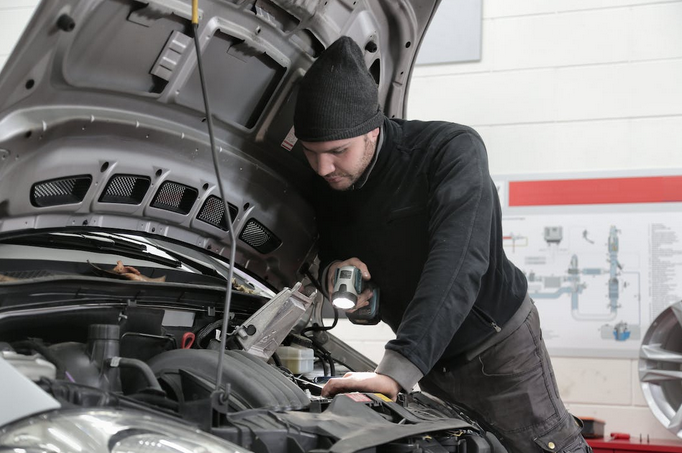
 One of the most common reasons why your car won’t start is because the battery is dead. If your car won’t turn over when you turn the key in the ignition, it’s likely because there’s not enough power in the battery to start the engine. If this seems to be the issue, grab your jumper cables and have another car jump the electricity and stuff to your car’s battery. Once your car runs, you should drive it for a while to recharge the battery.
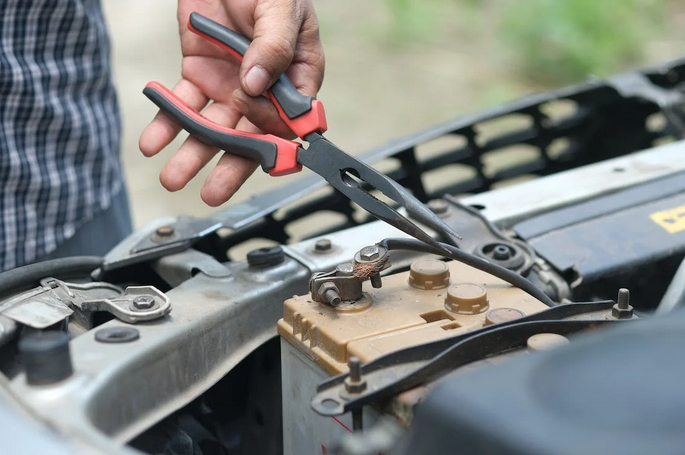
 Another reason your car won’t start could be because the battery terminals are loose or corroded. The terminals are the metal pieces that attach the battery to the engine. If they’re loose, they may not be able to provide enough power to start the engine. If they’re corroded, it means a build-up of acid on the terminals prevents electricity from flowing properly. To clean corroded battery terminals, use a wire brush or a solution of baking soda and water.
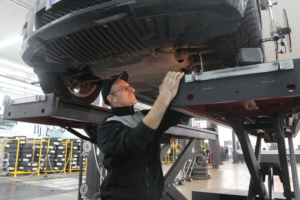 If certain electrical components in your car are not working, it could be because a fuse has blown. Fuses are designed to break when an electrical surge prevents damage to the components. If you think a blown fuse may be the issue, check the fuse box for a blown fuse. You can replace a blown fuse with a new one of the same amperage. However, if you’ll need to replace a fuse more than once, an underlying electrical problem may need to be fixed.
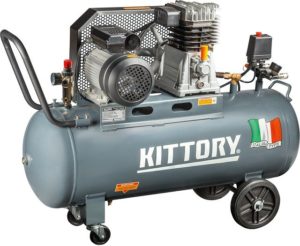 For the best spring compressor, you should check out BestEquip. This company has been in business for more than 40 years and they are known internationally as a leader for quality tools at an affordable price. They have all kinds of equipment so you can find the right tool to help with your project. The specific type of product that I am talking about is their spring compressor.
 There are many good rental services out there, but few of them can provide you with all the information you need to decide. Make use of Google search results and customer reviews on social media platforms like Facebook or Twitter. You may also want to consult online directories if they have any records of rental services near you. Check if there are any complaints or negative feedback about the service you may have missed because of your cursory research.
 The first thing you should consider when choosing a floor jack for your vehicle is the type of material used in making the equipment. There are different materials used in making floor jacks. Each material tends to have something that makes it unique compared to others.
 The next thing you should consider when choosing a floor jack to purchase is your vehicle’s weight. You should consider your car model and specifications. Make sure you choose a floor jack that is compatible with your vehicle.
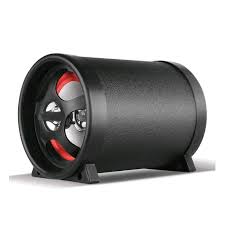 Be careful about car subwoofers that exaggerate the mid-bass performance because they cannot reach notes below 20Hz. You want clarity with the most resonant bass so that you can truly enjoy the listening experience.

 One of the steps to choosing the right
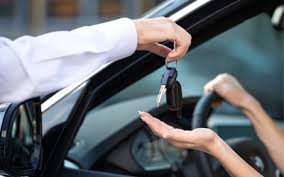 With car rentals, you have the freedom to drive the car of your choice. Car rental companies have a variety of cars, and you can always find something that you fancy.
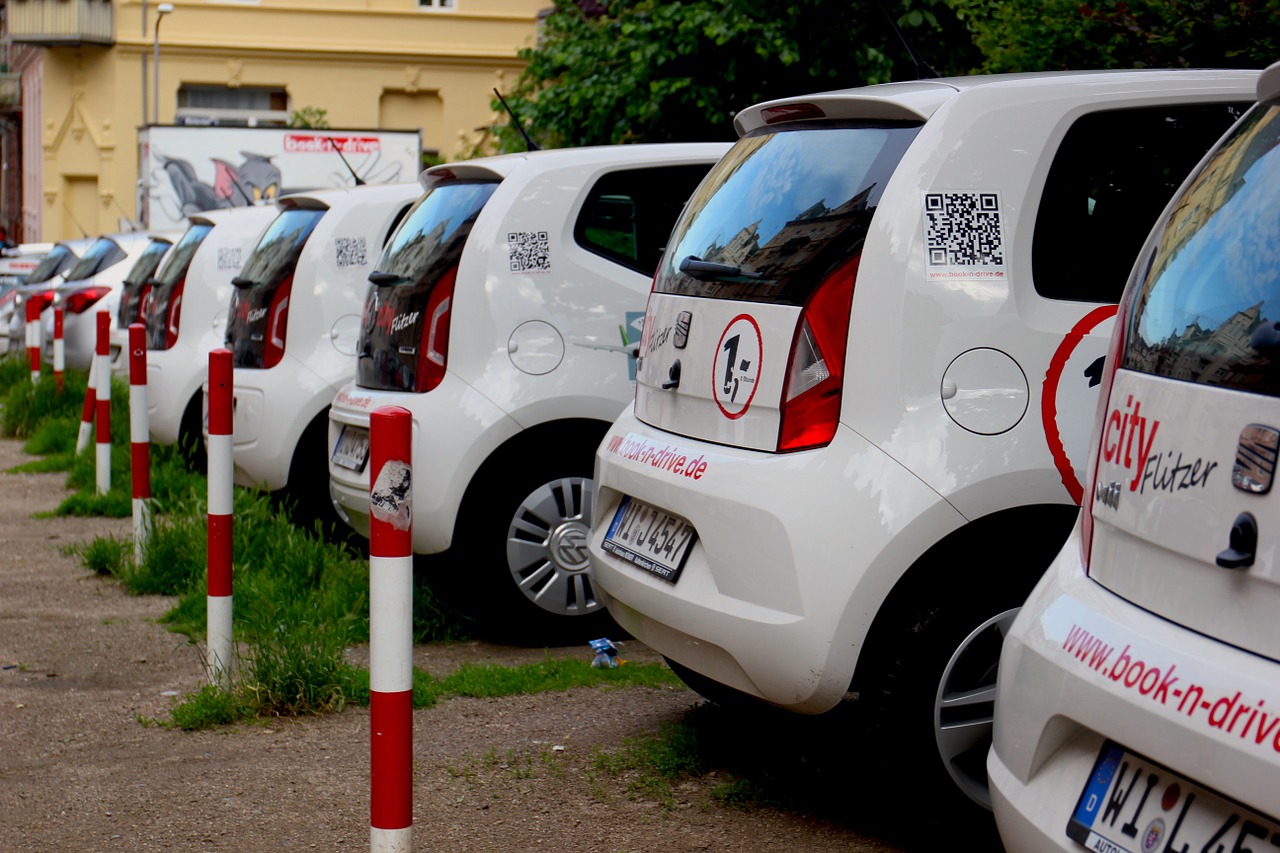
 Some rental companies offer to fill the gas tank when consumers arrive, but gas prices are a bit exorbitant. In fact, you should leave the agency for 10 to 15 minutes. Also, the price the consumer pays at the station is relatively low than the rental company’s rate. This is a good money-saving tip if you pay attention to the time of departures and arrivals.


 It is essential to research anything you wish to purchase for the first time. Remember that a little knowledge about anything is quite dangerous. Thus, there is a need to know vital details about the car lifts and choose one that goes with your lifestyle or best suits your workshop. The internet is the best place to search for different car lifts. Take your time and use it to your best interests.
 The motorcycle alarm is one of the top anti-theft devices you can have. It alerts you if someone tries to mess with your bike. It will bring you outside to check the bike and turn the alarm off. In fact, the alarm is worth your hard-earned cash. Criminals do not bother with motorcycle alarms because the sound is common.
 If the bike does not come with a kill switch, ensure you are using it to shut off the bike rather than using the key. Instead, use a hidden kill switch to enhance motorcycle security. The good thing about the kill switch is that it can offer you an extra step to start the bike. When you use a kill switch, the engine cannot start until the key sends the signal.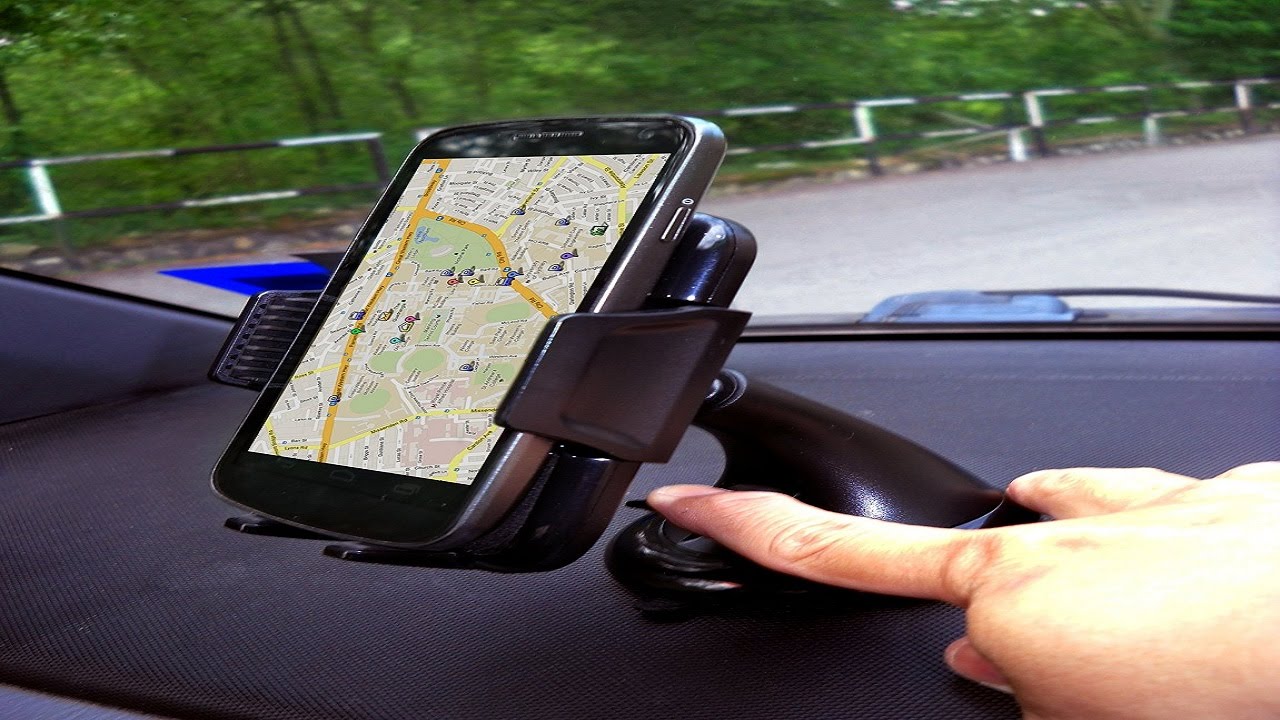
 This is an obvious benefit of a vehicle tracking system. It can save you time for police to apprehend the thief before your vehicle is damaged. It is a valuable tool when it comes to finding stolen cars, and insurance companies usually offer up to fifteen percent discount if the device is installed in your vehicle. For some families, it also makes sense to install simples tracking devices in construction, recreational or farm vehicles.

 Easy to Learn
 Insurance Reductions